
Welcome to UnderwaterPro, the premier destination for diving into a world of career opportunities and seamless talent exploration. As a comprehensive platform, we simplify the hiring journey by providing a centralized space to post jobs, discover talent, engage with candidates, and efficiently manage job listings. Dive into a world of rapid and efficient talent acquisition with UnderwaterPro!
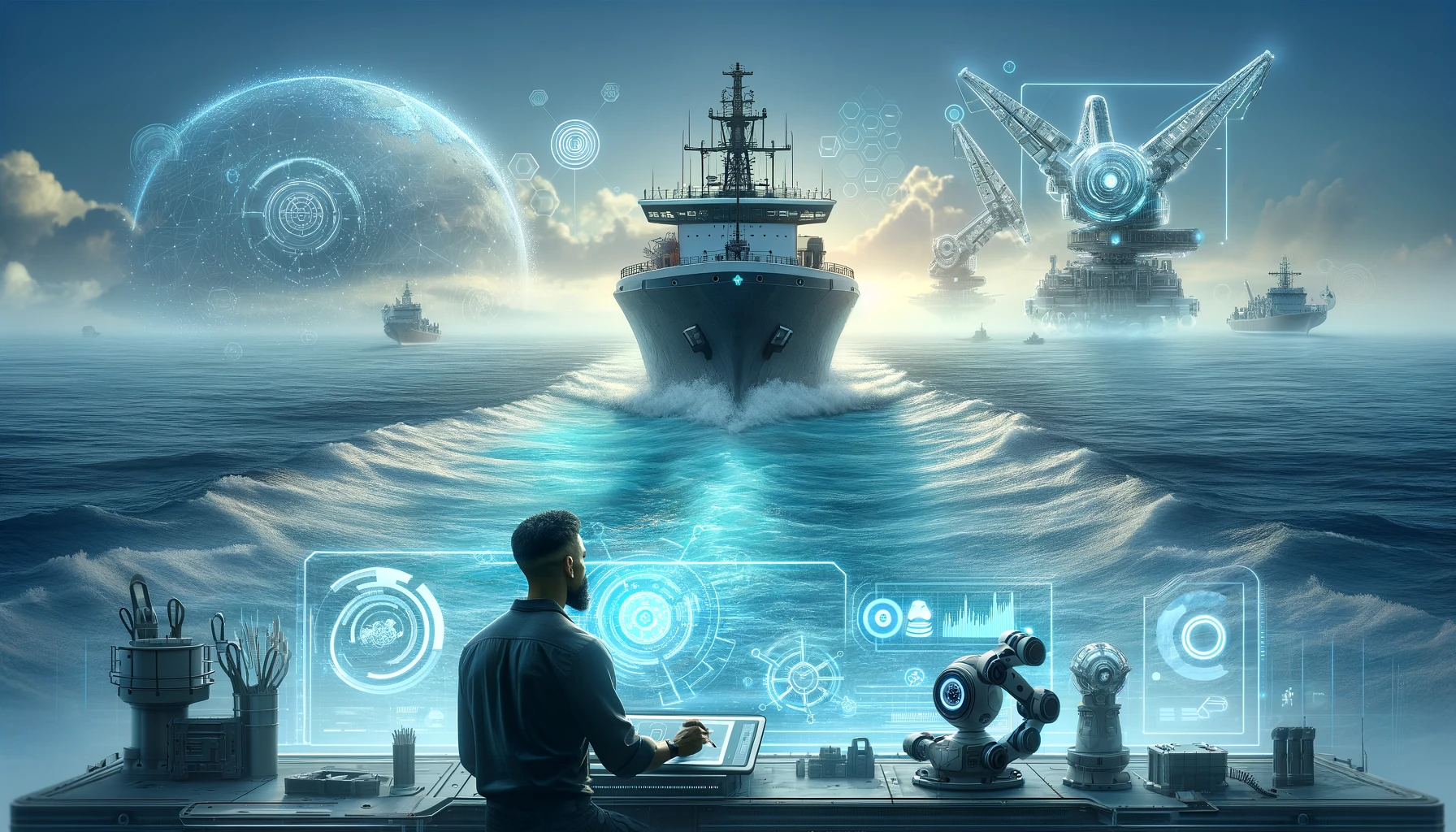
The term "maritime technologies complex" encompasses a broad spectrum of advanced systems, tools, and innovations designed to support and enhance activities related to the marine and maritime sectors. This complex involves a range of disciplines, including naval architecture, marine engineering, oceanography, environmental science, and robotics, among others. Let's dive deeper into what constitutes a maritime technologies complex and how it shapes the future of maritime industries. Components of a Maritime Technologies Complex
Naval Architecture and Shipbuilding: This field focuses on the design and construction of various watercraft—from small boats and yachts to massive cruise ships and cargo vessels. Innovations in this area often aim to improve efficiency, safety, and sustainability.
Marine Engineering: This discipline deals with the engineering aspects of the maritime field, including the development and maintenance of propulsion systems, onboard machinery, and electrical and electronic systems.
Oceanography and Hydrography: Technologies developed for exploring and understanding the world's oceans are also a significant part of the maritime technologies complex. These include advanced sensors and data analytics platforms for mapping the seabed, studying ocean currents, and monitoring marine biodiversity.
Maritime Robotics and Autonomous Systems: Integrating robotics in maritime technologies is revolutionizing the industry. Autonomous underwater vehicles (AUVs) and remotely operated vehicles (ROVs) are used for various purposes, such as underwater mapping, pipeline inspections, and scientific research.
Environmental and Safety Technologies: Innovations in this area aim to reduce the maritime industry's ecological footprint and enhance safety. That includes technologies for cleaner emissions, ballast water management systems to prevent the spread of invasive species, and advanced navigation systems to avoid collisions.
Communication and Navigation Systems: As global maritime traffic increases, advanced communication and navigation systems become crucial. Satellite communications, AIS (Automatic Identification Systems), and GPS enhancements are vital for the safety and efficiency of maritime operations.
Impact of Maritime Technologies Complex
The advancements in maritime technologies optimize operations and contribute significantly to global trade efficiency, safety at sea, and environmental conservation. For instance:
Efficiency and Cost Reduction: Automation and improved engineering designs enable ships to operate more efficiently, saving time and reducing costs.
Safety Improvements: Enhanced navigation systems and better ship designs have significantly lowered the risk of maritime accidents.
Environmental Impact: Innovations such as scrubber systems and alternative fuels help reduce the environmental impact of shipping activities.
Future Trends
The maritime technologies complex is set to expand with developments in digitalization, AI, and machine learning. These technologies will drive further automation, improve predictive maintenance, and enhance onshore and offshore decision-making processes. Additionally, the push towards decarbonization in global shipping will accelerate the adoption of green technologies, such as electric propulsion systems and sustainable biofuels.
Conclusion
The maritime technologies complex is a critical area of development that supports a vast range of industries and is essential for advancing global naval activities. With ongoing innovations and investments, this complex continues to evolve, promising a more efficient, safe, and sustainable future for the maritime industry. As we look forward, integrating more advanced technologies will undoubtedly redefine the boundaries of what is possible in the marine world.